Ironclad Character Overview — Strengths, Weaknesses & Playstyle

The Ironclad is the first character most players encounter in Slay the Spire 2, and for good reason — his straightforward Strength scaling and self-sustain mechanics make him the easiest to pick up. But don’t mistake accessibility for simplicity. The Ironclad has some of the deepest build variety in the game, from Demon Form-fueled one-shot kills to intricate exhaust combos that cycle your deck to zero cards.
Core Mechanics
The Ironclad’s starting relic, Burning Blood, heals 6 HP after every combat. This gives you a sustain cushion that lets you take more aggressive paths early — you can afford to trade HP for elite kills and card upgrades.
His card pool revolves around three main archetypes:
- Strength Scaling — Stack Strength via Demon Form, Spot Weakness, and Inflame. Multiply it with multi-hit attacks like Heavy Blade, Sword Boomerang, and Twin Strike.
- Exhaust Synergy — Exhaust cards to thin your deck, trigger Feel No Pain for block, and scale Dark Embrace for infinite draw. Corruption turns all skills into 0-cost exhaust fodder.
- Self-Damage / HP Manipulation — Use Hemokinesis, Bloodletting, and Offering to convert HP into tempo, then heal back with Reaper and Feed.
Starting Deck
The Ironclad starts with:
Your first priority is removing Strikes at shops and adding efficient attacks to replace Bash’s role as your primary damage source.
Best Relics
Red Skull — +3 Strength while below 50% HP. Enables aggressive self-damage lines and makes Hemokinesis nearly free.
Snecko Eye — Randomized costs with +2 draw per turn. The Ironclad has the most 2+ cost cards in the game, so Snecko turns aveRage draws into explosive turns.
Dead Branch — Every exhausted card generates a random card. With Corruption active, you create an endless stream of free skills.
Early Game Priorities
- Act 1 — Take 2-3 strong attacks (Carnage, Uppercut, Hemokinesis). Fight at least 2 elites — the Ironclad’s sustain makes this safer than for other characters. Upgrade Bash at the first campfire.
- Act 2 — Commit to your archetype. By floor 20 you should know whether you’re Strength, Exhaust, or hybrid. Pick relics that support your direction.
- Act 3 — Scale or die. Act 3 enemies and bosses have massive HP pools — you need a plan to multiply your damage. Strength builds need Limit Break; exhaust builds need Corruption + Dark Embrace online.
Demon Form Strength
Core Cards

 Red Skull
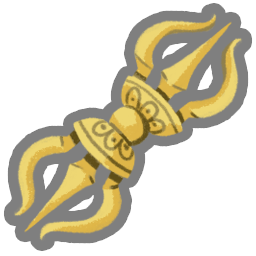 Vajra
Vajra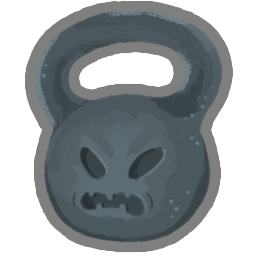 Girya
Girya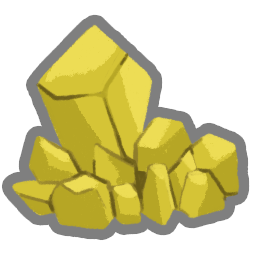 Brimstone
Strategy
Play Demon Form as early as possible and defend while your Strength scales. Use Limit Break to double your Strength once Demon Form has stacked. Finish fights with Heavy Blade for massive single-target damage. Reaper lets you heal to full against multi-enemy fights.
Common Mistakes
- Over-picking attacks early — You don’t need 8 attacks by floor 10. 3-4 good attacks plus Bash is enough. Dead draws lose runs.
- Ignoring exhaust cards — True Grit and Burning Pact look weak on their own, but they enable your best combos. Don’t skip them.
- Forcing an archetype — Not every run gets Demon Form. Sometimes you win with a lean Anger/Rampage deck. Adapt to what you’re offered.
Summary
The Ironclad rewards aggressive play and smart HP management. His best runs turn your life total into a resource you spend for tempo, then reclaim through sustain. Start with Strength builds to learn the character, then explore exhaust engines once you understand card evaluation.
Was this guide helpful?
Comments
Leave a Comment