Regent Sovereign Blade Build — Forge, Summon Forth & One-Shot Guide

The Sovereign Blade build is the Regent’s highest-ceiling archetype. The concept: stack Forge effects to permanently increase the Sovereign Blade’s base damage, then cash in with a single 50-100+ damage hit that deletes whatever it touches. Unlike the Star Engine build (which spends stars on flashy payoffs), the Forge build is methodical — every Forge card is a permanent investment that makes your Blade hit harder for the rest of combat.
The ceiling is astronomical. With Summon Forth (Forge 8 + tutor), Spoils of Battle (Forge 10), Furnace (Forge 4 per turn), and The Smith (Forge 30), your Sovereign Blade can reach 80-120 base damage by turn 5. Add Conqueror for double damage, Seeking Edge for AoE, and you’re one-shotting bosses.
Build Overview
The Sovereign Blade game plan: play Forge cards to stack permanent damage on the Blade → Defend while scaling → retrieve the Blade via Summon Forth → apply Vulnerable → play Conqueror (Blade deals double damage) → Strike for 100-200+ damage → fight over.
Sovereign Blade / Forge
Core Cards





 Fencing Manual
 Divine Right
 Galactic Dust
 Chemical X
 Ice Cream
Strategy
The Sovereign Blade starts at 10 damage with Retain. Every Forge card played adds permanent damage to it for the rest of combat. Build strategy: play Forge cards for 3-4 turns while blocking, then retrieve the Blade (Summon Forth tutors it from anywhere), apply Vulnerable, play Conqueror (Blade deals double damage this turn), and strike. Against bosses, The Smith (Forge 30) provides a massive power spike. Against multi-enemy rooms, Seeking Edge makes the Blade hit ALL enemies.
Core Cards — The Forge Engine
S-Tier: The Blade and Its Best Friends
Sovereign Blade — Your starting signature card. 2-cost Attack with Retain. Base 10 damage. Gains permanent +X damage whenever you play a Forge card, where X is the Forge value. After 3 Forge plays (aveRage Forge 6-8): 28-34 base damage. After 6 Forge plays: 46-58 base damage. After The Smith (Forge 30): add 30 more. The Blade only resets between combats, not between turns. It has Retain — you can hold it in hand for 5 turns while building Forge stacks.
Always in your deck. You cannot remove it. Your entire deck is built around maximizing this card.
Summon Forth (Uncommon Skill, 1 energy) — Forge 8. Pull the Sovereign Blade from anywhere (draw pile, discard pile, exhaust pile) into your hand. This card solves two problems simultaneously: it adds Forge stacks AND guarantees you have the Blade when you need it. If you accidentally discarded the Blade (Acrobatics, Surge effect) or it’s at the bottom of your draw pile, Summon Forth Fetches it. Forge 8 is also above-aveRage value — most Forge cards give 3-5. Take 2 copies.
Pick priority: Highest priority. This is the card that makes the Forge build consistent. Without Summon Forth, you can lose the Blade to bad draw order. With it, you always have access.
Spoils of Battle (Uncommon Skill, 1 energy) — Forge 10. The biggest single Forge value among non-rare cards. One Spoils of Battle adds +10 permanent damage to your Blade. Two copies: +20. In a fight where you play 2 Spoils + 2 Summon Forths: +36 Forge = Blade deals 46 base damage. Take 1-2 copies.
Pick priority: High. The Forge 10 value is unmatched among commons/uncommons.
Bulwark (Common Skill, 1 energy) — Gain 13 Block, Forge 10. This is the perfect Forge card because it provides both defense AND scaling. Every Bulwark play keeps you alive AND makes your Blade hit harder. With 3 Bulwarks, you can block 39 damage while adding +30 Forge to your Blade. Take 2-3 copies.
Pick priority: Take over all other common Skills. Bulwark single-handedly solves the Forge build’s defensive needs.
A-Tier: The Accelerators
Furnace (Uncommon Power, 2 energy → 1 upgraded) — At the start of each turn, Forge 4. Passive Forge income every turn. Over a 6-turn fight: 24 Forge from one card. Over a 10-turn boss fight: 40 Forge. Furnace is the gift that keeps giving. Play it on turn 1 and forget about it — your Blade grows stronger every turn without spending additional energy. Upgrade to 1 energy immediately.
Pick priority: Highest priority Power. Furnace turn 1 + Bulwark spam = unkillable + infinite scaling.
Conqueror (Rare Skill, 1 energy) — Forge 3. The Sovereign Blade deals DOUBLE damage this turn. This is your Finisher. With a Blade at 50 base damage: Conqueror → 100 damage. With Vulnerable: 150 damage. With Strength: even more. The Forge 3 is negligible — you play Conqueror for the double-damage effect on the turn you Strike. Take 1 copy. Save it for the kill turn.
Pick priority: Take on sight. Conqueror is the card that turns “strong” into “game-winning.”
Seeking Edge (Uncommon Skill, 1 energy) — Forge 7. The Sovereign Blade now hits ALL enemies. This single card converts your single-target nuke into an AoE nuke. Against Donu & Deca, Tri-Slavers, Slime Boss, and Gremlin Leader: one Seeking Edge play = both/all enemies take the full Blade damage. Forge 7 is also solid value. Take 1 copy.
Pick priority: High. The AoE conversion is essential for multi-enemy fights and makes several boss matchups trivial.
The Smith (Rare Skill, 1 energy + 4 Stars) — Forge 30. The mother of all Forge cards. Thirty Forge in one play triples your Blade’s damage instantly. The 4 Star cost means you need some Star generation (Genesis, Glow) to fuel it, but the payoff is worth building around. From 40 base to 70 base damage in one card play. Save for the boss kill turn.
Pick priority: Take 1 copy. Build around it if you find it — add 1-2 Star generators to your deck specifically to enable The Smith.
B-Tier: The Support Cast
Wrought in War (Common Attack, 1 energy) — Deal 7 damage, Forge 5. A Strike replacement that adds Forge while dealing damage. Excellent Act 1 card — it contributes to hallway fights AND scales your Blade simultaneously. Take 2-3 copies early; remove basic Strikes once you have Wrought in War.
Beat into Shape (Uncommon Attack, 1 energy) — Deal 5 damage, Forge 5. Additional Forge 5 for each time you’ve hit the enemy this turn. With Wrought in War + Beat into Shape: Forge 5 + Forge 10 = +15 Forge in one turn before the Blade even swings. Take 1 copy.
Big Bang (Common Skill, 0 energy) — Draw 1 card, gain 1 energy, gain 1 Star, Forge 5. Exhaust. This card is universally considered one of the best Regent cards. At 0 energy, it’s free: card-neutral (draw 1), energy-positive (gain 1), generates a Star, AND Forges 5. All for zero cost. The Exhaust prevents abuse but also thins your deck. Take every copy. Play whenever drawn.
Refine Blade (Common Skill, 1 energy) — Forge 6. Next turn, gain 1 energy. Front-loads Forge now and pays back the energy later. Solid tempo play when you have a free turn. Take 1-2 copies.
Star Generation (for The Smith fuel)
Genesis (Uncommon Power, 2 energy) — Gain 2 Stars at the start of each turn (3 upgraded). Essential if you have The Smith or other Star-spending cards. In a 10-turn fight, Genesis generates 20 Stars. Take 1 copy.
Glow (Common Skill, 1 energy) — Gain 1 Star (2 upgraded), draw 2 cards. Star generation + card draw. Helps find your Forge pieces. Take 1-2 copies.
Cards to AVOID
- Stardust, Radiate, Comet: Star-spending payoff cards. These belong in the Star Engine build, not Forge. The Forge build spends Stars on The Smith and nothing else.
- Rally Commander / Army of Light cards: Different archetype. The Forge build focuses on the Blade, not on allies.
- Too many Attacks that aren’t Forge: Every non-Forge Attack dilutes your draws. Wrought in War and Beat into Shape are exceptions because they Forge.
Relic Priority
Run-Defining
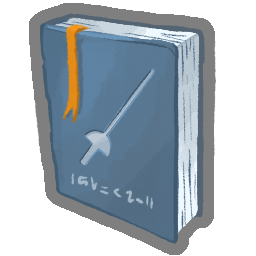
- Fencing Manual: Start each combat with +10 Forge on the Blade. Your Blade starts at 20 damage instead of 10. This relic accelerates your entire game plan by 1-2 turns and is the single best relic for the build.
- Divine Right: The Regent’s starting relic — start combat with 3 Stars. Provides fuel for The Smith and other Star costs.
- Galactic Dust: Gain Block whenever you spend Stars. With The Smith costing 4 Stars, Galactic Dust provides passive defense on your big Forge turns.
High Impact
- Chemical X: X-cost cards are played as if X = X+2. Doesn’t directly help Forge, but if you have any X-cost Star spenders as backup, Chemical X amplifies them.
- Ice Cream: Energy conserved between turns. The Forge build alternates between high-energy setup turns and low-energy Burst turns. Ice Cream smooths out your energy curve.
- Anchor: Start combat with 10 Block. Lets you play Furnace or Genesis on turn 1 without taking damage.
Nice to Have
- Lunar Pastry: Gain 1 Star whenever you play a Power. If you’re running Furnace + Genesis, this generates extra Stars.
- Vajra: Start combat with +1 Strength. The Blade benefits from Strength additively on top of Forge. At 50 base damage with 3 Strength = 53. Minor but adds up.
- Bag of Marbles: Free Vulnerable at combat start boosts your first Blade Strike.
Act-by-Act Strategy
Act 1 — Build the Forge Foundation
Floor 1-5 priorities:
- Bulwark — Block + Forge. Best common in the pool.
- Wrought in War — Damage + Forge. Strike replacement.
- Spoils of Battle — Big Forge value.
- Summon Forth — Blade tutor + Forge.
- Big Bang — Always take. Free everything.
Shop priorities: Remove Strikes. Buy Fencing Manual if available. Big Bang is worth buying.
Elite strategy (cautious): The Forge build is slow early — you need 2-3 turns of Forging before the Blade is threatening. Fight 1 elite in Act 1, 2 max.
- Sentries (Medium): Bulwark blocks while you Forge. Blade + Vulnerable (Know Thy Place) kills one Sentry per cycle.
- Lagavulin (Favorable): Sleep phases = free Forge turns. Wake-up: Blade Strike for 30+.
- Gremlin Nob (DAngerous): Forge cards are Skills. Avoid unless you have 3+ Attacks.
Act 2 — Commit to the Blade
Priority picks:
- Furnace (passive Forge engine)
- Conqueror (double damage Finisher)
- Seeking Edge (AoE conversion)
- The Smith (massive Forge spike)
- Genesis (Star generation for The Smith)
Elite strategy:
- Tri-Slavers (Medium): Seeking Edge makes Blade hit all three. Forge for 3 turns, then Blade kills all simultaneously.
- Book of Stabbing (Hard): Bulwark spam. Furnace passive Forge. Blade at 40+ damage + Conqueror = 80+ damage = fight over on turn 5.
- Gremlin Leader (Favorable): Seeking Edge Blade kills minions AND hits the Leader. Premium matchup.
Act 3 — The Blade Unleashed
Your deck should be 20-25 cards: Sovereign Blade (given), 2 Summon Forth, 1-2 Spoils of Battle, 2-3 Bulwark, 1 Furnace, 1 Conqueror, 1 Seeking Edge, 1 The Smith, 2 Wrought in War, 1 Big Bang, 4-5 support cards.
Final boss strategy:
- Time Eater (Medium): 12-card limit means you must Forge efficiently. Big Bang and Bulwark are high-value single cards. Blade + Conqueror for 100+ damage is worth 2 cards (Blade + Conqueror). Play only the most Forge-dense cards.
- Awakened One (Favorable): Furnace is a Power (+1 Strength to boss) but the Blade kills so fast it doesn’t matter. Phase 1: Forge to 50+. Blade + Conqueror kills phase 1. Phase 2: Forge again, Blade kills.
- Donu & Deca (Favorable): Seeking Edge Blade hits both. Forge to 60+, Conqueror for 120+ AoE damage. Both die.
Key Tips
-
Hold the Blade. Wait. The Blade has Retain — keep it in your hand until it’s a kill shot. Playing it at 10 damage is worse than any Wrought in War. Playing it at 60 with Conqueror ends fights.
-
Summon Forth is your consistency tool. If you never draw the Blade, Summon Forth Fetches it. If the Blade is in your hand already, Summon Forth still adds Forge 8. It’s never a dead card.
-
Big Bang is always correct. 0 energy for +1 energy, +1 draw, +1 Star, +5 Forge. Every single stat is positive. There is no situation where Big Bang is the wrong play.
-
Seeking Edge before Conqueror. If you need AoE, play Seeking Edge FIRST (adds AoE + Forge 7), then Conqueror (doubles damage). The doubled damage applies to the AoE effect.
-
The Smith timing matters. Don’t play The Smith on turn 2 at 12 base damage. Save it for turn 5-6 when the Blade already has 30-40 base Forge. The Smith adds 30 on top, taking you to 60-70, and Conqueror doubles to 120-140.
Forge Damage Tracker
| Turns of Forging | Forge Sources | Typical Blade Damage |
|---|---|---|
| Turn 1 | Bulwark + Summon Forth | 28 |
| Turn 2 | Spoils of Battle + Wrought in War | 43 |
| Turn 3 | Furnace tick + Bulwark | 57 |
| Turn 4 | Furnace tick + Summon Forth | 69 |
| Turn 5 | Furnace tick + The Smith | 103 |
| Turn 6 | Conqueror (×2) | 206 |
206 damage. With Vulnerable: 309. One-shot range for every boss in the game.
Matchup Guide
Favorable: Lagavulin (sleep = free Forge), The Champ (setup during buff), Donu & Deca (Seeking Edge hits both), Awakened One (Blade overkills phase 1), Giant Head (you out-scale it)
Unfavorable: Reptomancer (daggers demand immediate AoE before Blade is scaled), Transient (dies in 5 turns — you have 4 turns of setup), Time Eater (card limit restricts Forge spam)
Nemesis: Gremlin Nob. This elite punishes Skill usage, and your entire deck is Skills (Forge, Block). Bring Wrought in War and basic attacks or skip this elite entirely. Nemesis elite: Intangible on alternating turns. Time your Blade Strike for non-Intangible turns. Seeking Edge must be played on a non-Intangible turn to land full damage.
Was this guide helpful?
Comments
Leave a Comment